


Tension Load Cell
Your Professional Tension Load Cell Supplier
We specialize in designing and manufacturing load cells and force sensors for industrial weighing and measurement applications.
Our main products include load cells, force sensors, weighing modules, as well as single point, shear beam, and compression types.
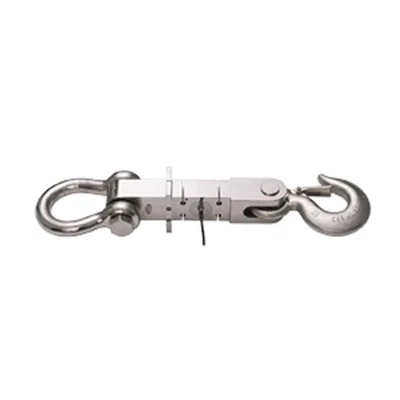
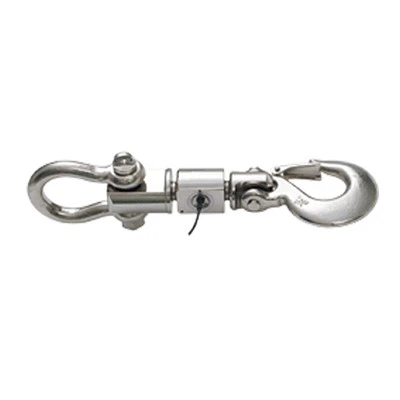


Parameter
|
Material: |
Alloy |
|
Capacity |
1t-30t |
|
Rated Output: |
1.5mV/V |
|
Non Linearity: |
±0.02%F.S. |
|
Hysteresis: |
±0.02%F.S. |
|
Repeatability: |
±0.01%F.S. |
|
Creep (30min): |
±0.02%F.S. |
|
Zero Balance: |
±1.00%F.S. |
|
Tem.Effect on Zero: |
±0.02%F.S./10℃ |
|
Tem.Effect on Output: |
±0.02%F.S./10℃ |
|
Input Impendance : |
765±15Ω |
|
Out Impendance: |
700±5Ω |
|
Insulation Impendance: |
≥5000MΩ |
|
Excitation Voltage: |
10V (DC/AC) |
|
Compensated Tem.Range: |
-10℃~+50℃ |
|
Service Tem.Range: |
-20℃~+60℃ |
|
Safe Overload Range: |
120%F.S. |
|
Protection Class: |
IP67 |
|
Cable length: |
0.5m |
|
Wire Code: |
Red(Ex+) Black(Ex-) Green(Sig+) White(Sig-) |
Benefits of Tension Load Cell

Precise Measurements
Delivers consistent results in both static and dynamic applications.
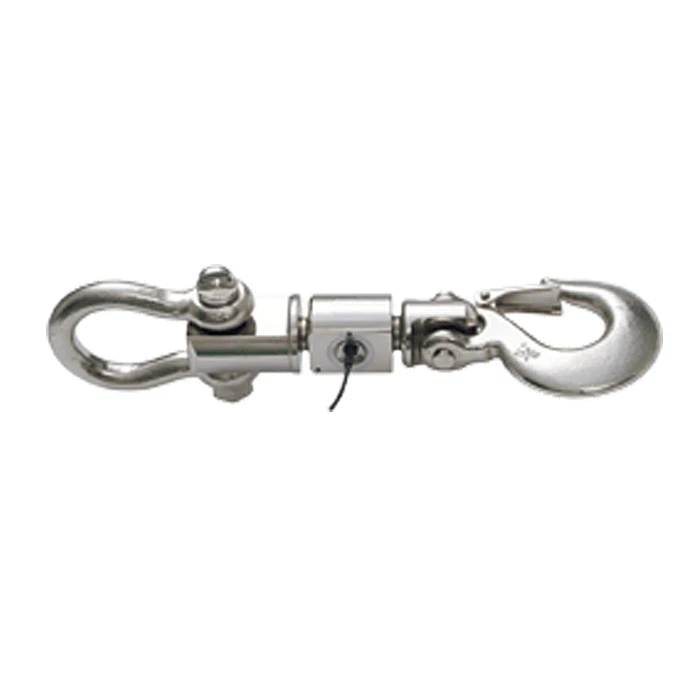
Durability
Designed to operate in extreme environmental conditions, such as high temperatures and corrosive atmospheres.
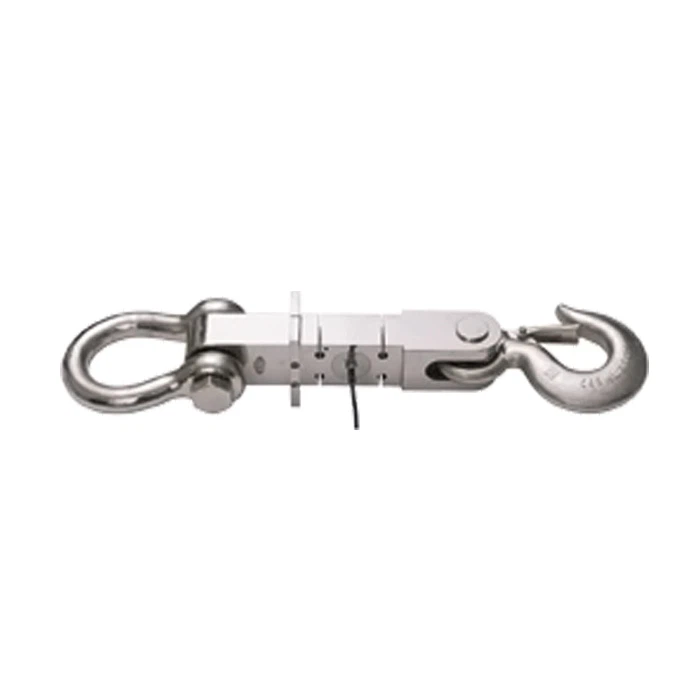
Easy Maintenance
Requires minimal upkeep, ensuring long-term cost-effectiveness.

Customizable Options
Available in various designs and capacities to suit specific requirements.
Types of Tension Load Cells
Dynamometers
Portable devices used for crane lifting, load testing, and rigging operations.
Tension Link Load Cells
Placed inline between lifting components such as hooks, shackles, and slings.
Wireless Tension Load Cells
Ideal for remote or hazardous environments, offering fast setup and long-range communication.
Multipoint Tension Sensors
Used in applications requiring simultaneous monitoring of multiple load points.
Applications of Tension Load Cells

-
Crane and Hoist Systems
Monitoring lifting forces to ensure safety and prevent overloads.
-
Material Testing
Measuring tensile strength of materials like cables, ropes, and metals.
-
Industrial Weighing
Used in hanging scales and force measurement applications.
-
Structural Monitoring
Ensuring stability in bridges, towers, and tensioned cables.
Working Principle Of Tension Load Cell
Tension load cells operate using strain gauge technology, which converts mechanical force into an electrical signal. The process involves the following steps:
Application of Force: When a tensile force is applied, the load cell's structure experiences slight elongation.
Strain Gauge Response: The strain gauges attached to the load cell stretch or compress, causing a small but measurable change in their electrical resistance.
Signal Conversion: A Wheatstone bridge circuit processes this resistance change, converting it into a proportional electrical voltage.
Output Signal: The electrical signal is then transmitted to a readout device or data acquisition system, displaying the precise force measurement.
A practical analogy is stretching a rubber band—when pulled, it elongates, and the tension increases. Similarly, a tension load cell translates this mechanical strain into an accurate electrical output.
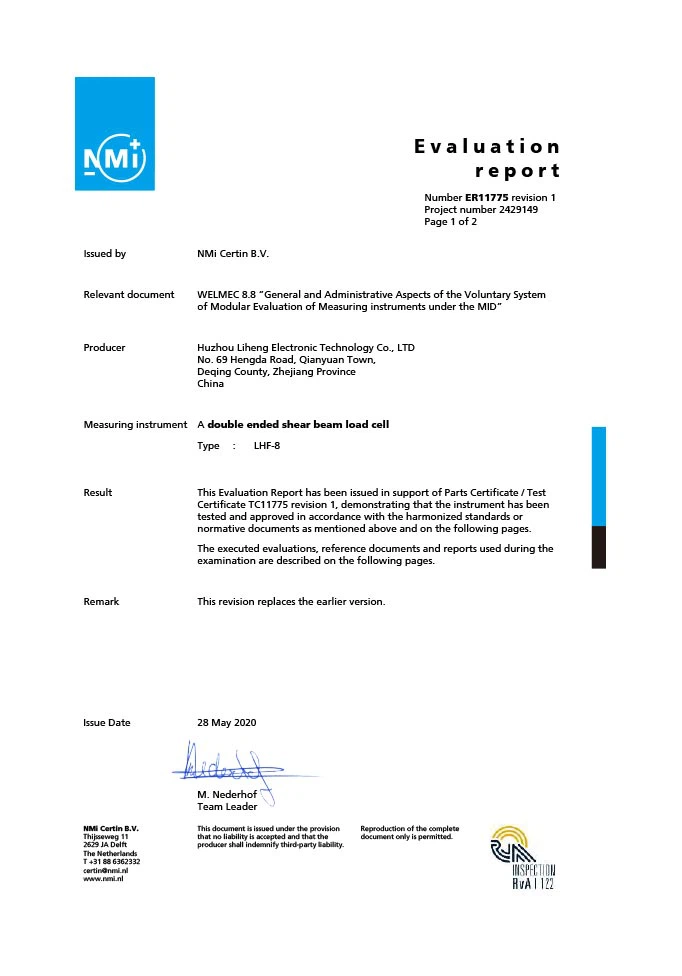
Certificate




Additional Information
| Shipping |
We offer various shipping methods, including sea freight, air freight, and express delivery, depending on the order size and destination. |
| Terms Of Payment |
We usually accept T/T, L/C, Paypal, Credit card, etc. If you prefer other payments terms, please feel free to discuss with us. |
FAQ